Beijing Food Guide 2026: What to Eat and How to Order Without Reading Chinese
Key Takeaways
- Peking duck is the one meal to plan around. Siji Minfu (四季民福) near the Forbidden City sits first on the local review platform's Beijing-cuisine hot list, and its moat-side branch draws some of the longest queues in the city.
- The standard tactic at the popular duck houses is to take a table number early in the day. Waits of one to three hours are widely reported for anyone who turns up at peak time.
- Locals eat zhajiangmian noodles and copper-pot mutton hotpot far more often than duck. Both are easy to order once you know the names and the characters.
- Most sit-down restaurants run on QR-code ordering: scan the code on the table with WeChat or Alipay and the menu opens on your phone. Set both apps up with your passport and an international card before you fly.
- Street food in Beijing means snack counters more than night carts. Eat things cooked and served hot, drink sealed bottled water, and go easy on douzhi, the divisive fermented mung-bean drink, until your stomach agrees to it.
Beijing Food Guide: What to Eat and How to Order Without Reading Chinese
Quick answer: Plan one duck dinner and take a table number early. Eat zhajiangmian noodles and copper-pot mutton hotpot the way locals do, order by QR code through WeChat or Alipay, and set both apps up with your passport before you fly. Street food here means snack counters more than night carts, so eat things cooked and served hot and drink sealed bottled water.
This guide contains affiliate links. If you book through one, we may earn a small commission at no extra cost to you, and it never changes what we recommend.
Beijing eating confuses first-time visitors in a specific way. They arrive expecting a version of the Chinese food they already know, find a city built on wheat noodles, sesame paste and mutton, and default to hotel restaurants for the rest of the trip.
A little planning fixes it. Save a handful of dish names on your phone, book one duck dinner around its queue, and set up two payment apps before the flight. This guide lists what to eat by name and in Chinese, explains how to order when the menu defeats you, and covers street food without the scare stories.
The dishes worth knowing
Eight dishes cover most of what the city does well. The Chinese characters and pinyin are there so you can point at a menu, show a screen, or type the name into a maps app.
| Dish (中文 / pinyin) | What it is | Where to find it |
|---|---|---|
| 北京烤鸭 / Běijīng kǎoyā | Peking duck: a whole roasted bird carved at the table, eaten on thin pancakes with spring onion, cucumber and sweet bean sauce | The duck houses below; this one is a sit-down restaurant dish |
| 炸酱面 / zhǎjiàngmiàn | Thick wheat noodles under a dark sauce of fermented soybean paste and diced pork, with raw and blanched toppings you mix in yourself | Noodle shops across the city; no single chain owns it |
| 铜锅涮羊肉 / tóngguō shuàn yángròu | Lamb sliced paper-thin, cooked by you in a charcoal copper pot of clear water, dipped in sesame paste with fermented bean curd and chive flower | Beijing-style hotpot restaurants |
| 卤煮火烧 / lǔzhǔ huǒshao | Pork intestine and lung stewed with fried tofu and a wheat cake in a dark savoury broth | Old snack shops, mostly at lunch |
| 豆汁 / dòuzhī | A sour, savoury drink fermented from mung-bean residue | Traditional snack counters |
| 焦圈 / jiāoquān | A crisp deep-fried dough ring, the standard companion to douzhi | The same counters |
| 炒肝 / chǎogān | Pork intestine and liver in a garlicky, starch-thickened stew, eaten at breakfast | Beijing breakfast shops |
| 爆肚 / bàodǔ | Beef or lamb tripe blanched in boiling water for seconds, then dunked in sesame sauce | Muslim-run snack shops and restaurants |
Half of that list is offal, because that is genuinely what the snack tradition is built on. If you do not eat intestine, tripe or liver, duck, zhajiangmian, hotpot and dumplings will still fill several days of eating without a single repeat.
Peking duck: the meal to plan around
Roast duck is the dish every visitor arrives knowing, and it is worth choosing the restaurant deliberately, because the gap between the famous houses is bigger than guidebooks suggest.
Siji Minfu (四季民福) is the one that locals and visitors currently agree on. Its branch beside the Forbidden City moat has shown a 4.8 rating on Dianping and the top spot on the platform’s Beijing-cuisine hot list. The catch is demand: diners widely report waits of one to three hours at that branch, and afternoon arrivals have described waiting lists in the hundreds of tables. The standard tactic is to take a number early in the day, before the lunch queue forms; diners also report that the first numbers of the morning tend to get the tables with the palace view. If you only want the duck and can live without the view, the chain’s other branches around the city are far easier to get into.
Dadong (大董) is the high-end option of the three, and suits an occasion meal more than a casual lunch. Quanjude (全聚德) is the name every guidebook prints, a duck house with a history that goes back generations. Both are safe choices for a first duck.
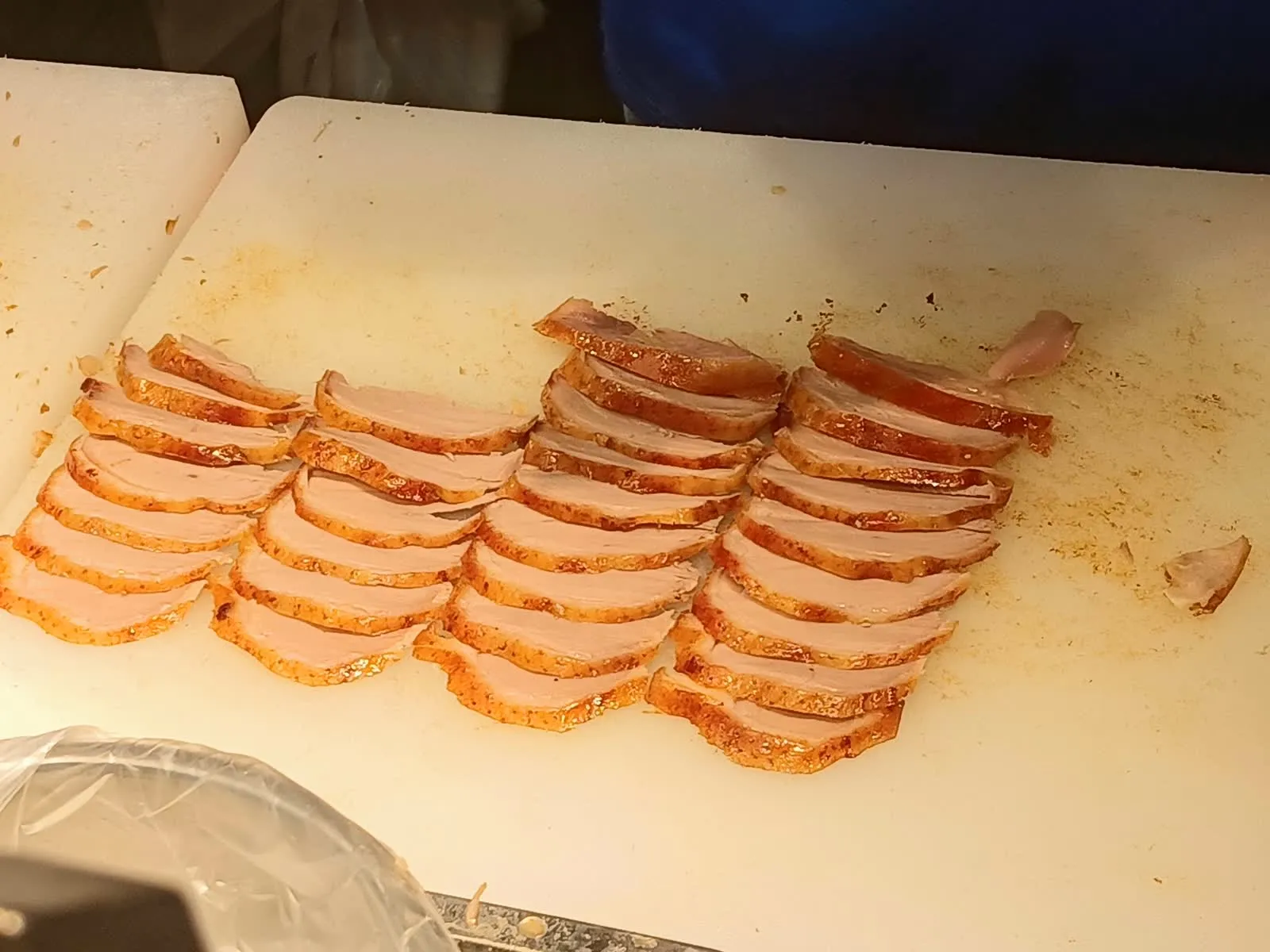
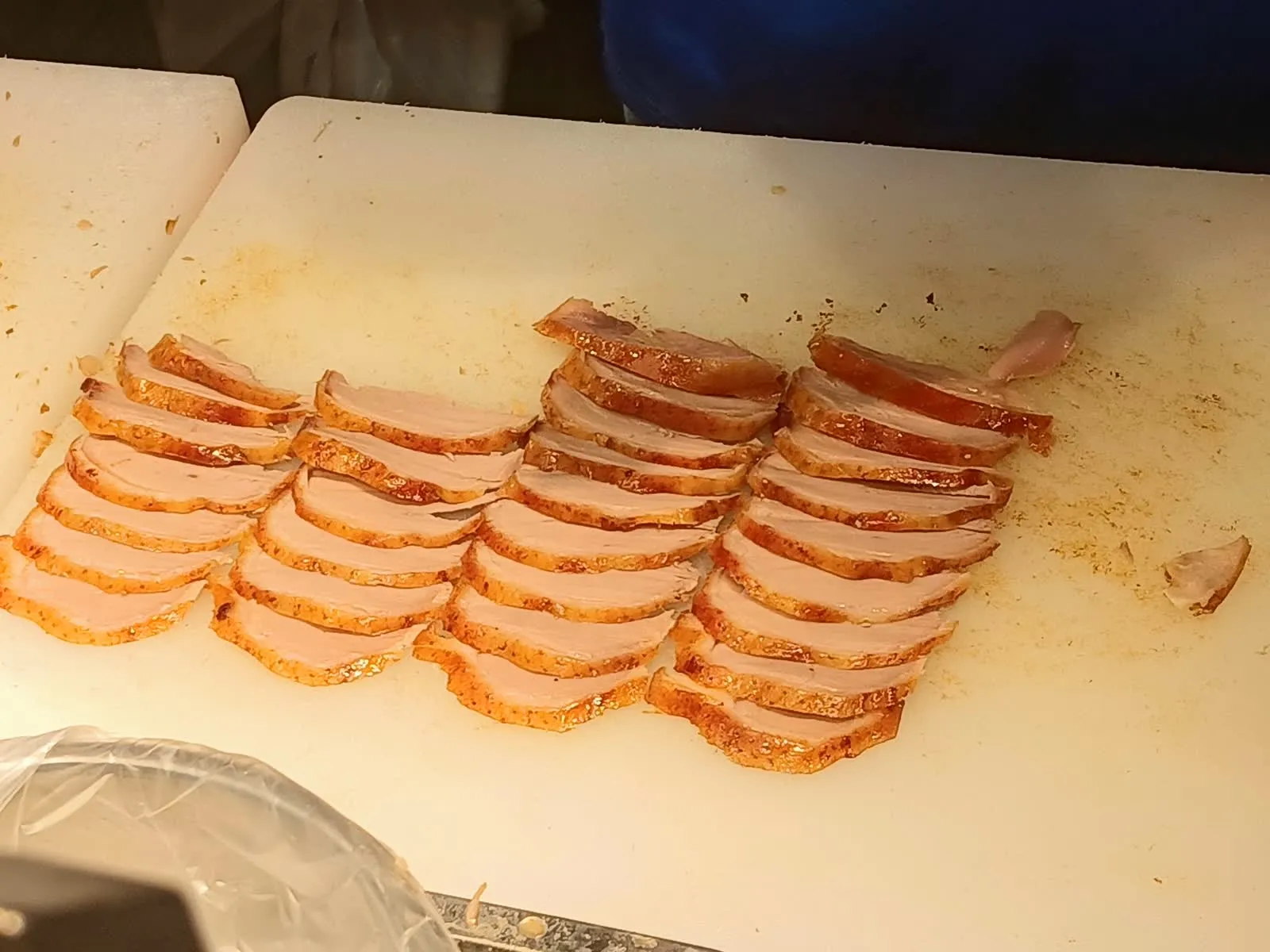
Eating it is simple. If the restaurant serves sugar with the skin, dip a slice and eat it plain first. Then build a wrap: a slice or two of meat, spring onion, cucumber, a smear of sweet bean sauce, rolled into a thin pancake. Order half a duck for two people, a whole one for three or four. This is also the meal where the queue matters most, so take your number early. If you would sooner hand the whole problem to someone else, Trip.com lists guided Beijing food tours, some built around a duck dinner.
Zhajiangmian: the bowl locals eat
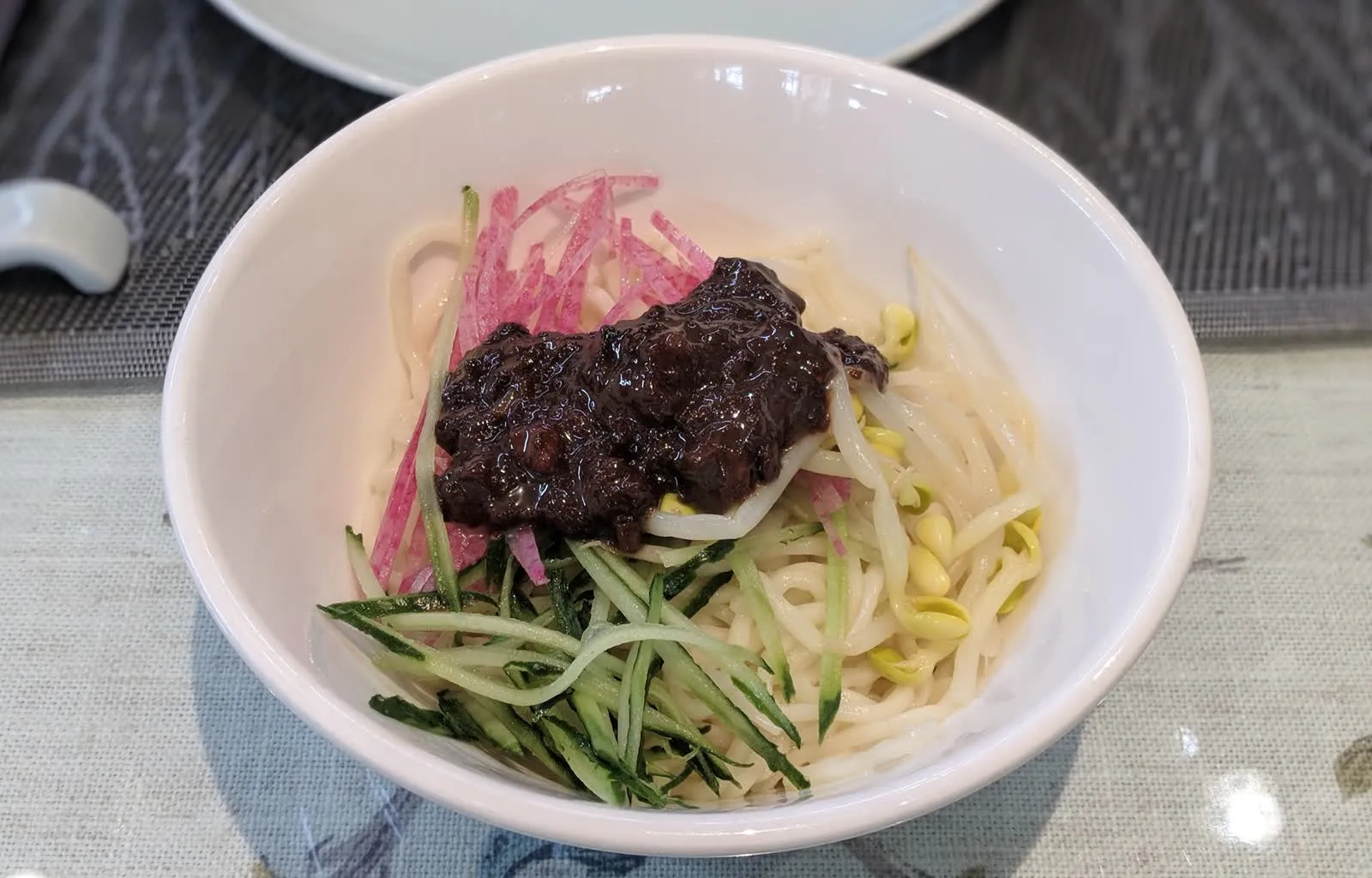
If you want one dish that explains the city’s everyday eating, order zhajiangmian. Thick wheat noodles arrive under a sauce of fermented soybean paste and diced pork fried together until dark, with a plate of cucumber, bean sprouts, soybeans and radish that you tip in and mix at the table. The Beijing tourism authority counts it among the city’s signature dishes, and locals talk about it the way they talk about home cooking rather than restaurant food.
Order it at a plain noodle shop near wherever you are staying. Expect a fast, filling bowl and no ceremony. It is also the gentlest dish on this list for a stomach that has just stepped off a plane.
Copper-pot hotpot and the savoury snacks
Copper-pot mutton hotpot is the winter answer to Beijing’s cold, and the city’s own market regulator describes the classic setup plainly: a pot of clear water with ginger, scallion, goji berries and dried shrimp, thinly sliced lamb cooked by the table, and a dipping sauce of sesame paste, fermented bean curd and chive flower. The broth adds nothing, which is the point. All the flavour comes from the lamb and the sauce. If you know Sichuan hotpot, expect the opposite experience: no chilli oil, no numbing tingle. The regulator’s own tip is to eat the vegetables first and the lamb after, which keeps the meal lighter.
The tradition is no tourist invention. Dianping publishes an annual restaurant list compiled from diner reviews, and in its most recent edition Beijing placed 146 restaurants, the second-highest count of any Chinese city. Four restaurants nationwide have made the list every year since it began, and all four sit in Beijing. Two of them are copper-pot hotpot houses: Beiping San Xiongdi Shuanrou (簋街总店) and Ritan Shuanrou (日坛公园店).
The older, harder-edge snacks sit at the other end of the price-and-formality scale. Luzhu huoshao is stewed pork intestine and lung with fried tofu and a wheat cake in one dark bowl, a lunchtime dish from the city’s south. Chaogan, its breakfast cousin, is pork liver and intestine in a garlicky, starch-thickened stew. Baodu is tripe blanched for seconds in boiling water and dunked in sesame sauce. And then there is douzhi, the fermented mung-bean drink, usually taken with a jiaoquan, the crisp fried dough ring. Visitors’ reactions to douzhi split hard, and the split is real: it is sour, savoury and unlike anything else you will drink in China.
The sweet side of the snack counter
Not everything on a Beijing snack tray is offal or fermentation. The sweet snacks are easier going and sit on the same counters, which matters if you want to sample the tradition without committing to a bowl of tripe.
豌豆黄 (wāndòu huáng) is a pale, cool pea-flour cake, a spring specialty that once pleased the imperial court. 驴打滚 (lǘdǎgǔn) is a soft roll of glutinous rice dusted with toasted soybean flour and filled with sweet bean paste. 艾窝窝 (àiwōwo) is a sticky rice ball with a sweet nut and sesame filling. 糖耳朵 (táng ěrduo) is a honey-soaked fried dough twist, and 面茶 (miànchá) is a hot millet-flour porridge topped with sesame paste, which regulars drink from the rim of the bowl without a spoon. A snack shop that sells douzhi will sell most of these, so one stop covers the set. Order two or three between two people, because the textures are unfamiliar and you will want room to work out what you like.
How to sequence a few days of eating
The common mistake is treating every meal as an event. Beijing eating works better as a rhythm: something quick and plain at midday, one proper restaurant meal in the evening, and a snack whenever you pass a counter.
- On arrival day, eat zhajiangmian at a plain noodle shop near your hotel. It is fast, filling and easy on a travel-tired stomach. Keep the fermented and fatty dishes for later in the trip.
- Put the duck dinner on the second or third evening, once you have settled in. Take a table number early or book ahead, and consider lunch at a duck restaurant if the queue is shorter.
- Give copper-pot hotpot its own evening, ideally in cold weather. Order one plate of lamb per person to start, add more as you go, and eat vegetables first.
- Devote one daytime window to a snack counter: douzhi and jiaoquan if you are feeling brave, the sweet snacks if you are not.
Space the unfamiliar dishes out. Two new foods in a day is plenty while your stomach adjusts, and the fermented ones are best tried on their own, one per meal.
Where to eat: districts worth walking
Dianping organises Beijing restaurants into commercial districts, and two of them are useful anchors for visitors. Wangfujing and Dongdan (王府井/东单) put you next to the Forbidden City and the Tiananmen area, which is why the Siji Minfu branch with the famous queue sits there; it is an easy pair with a palace morning. Sanlitun and Gongti (三里屯/工体) are the restaurant-and-bar end of town, busier later in the evening and stronger on cuisines from everywhere else.
For a late dinner with a Beijing accent, remember the name Guijie (簋街) in Dongcheng, the street in Beiping San Xiongdi’s flagship address.
If you are building a day around the palace itself, our Forbidden City ticket guide covers the booking side of that visit, including how the ticket release works and what to do when it sells out.
Ordering when you cannot read the menu
In Beijing you will often be handed no menu at all, and that is normal once you know what is happening.
Most sit-down restaurants stick a QR code to the table or prop one on a stand. Scan it with WeChat or Alipay and the menu opens inside a mini-program on your phone, where you order and pay without waving at anyone. WeChat’s own newsroom describes exactly this flow for restaurant tables. If the code will not open, it is usually asking for one specific app, so try the other one before assuming it is broken.
Snack shops and breakfast places run on pointing: look at what other people are eating, point, pay at the till, take a tray. Numbers are usually printed next to the dishes or chalked on the wall, and staff will tap the number on a calculator or hold up fingers to confirm.
Tourist-facing restaurants around the main districts and inside the big hotels usually have an English menu, and it is often shorter than the Chinese one. The safest order is still the dish you came for, so say the Chinese name from the table above or show the characters on your screen.
Four things make all of this easier:
- Install WeChat and Alipay before you fly, and link an international card to each. Both let foreign visitors register with a passport, and WeChat confirms a foreign phone number works for the verification codes. Our China essentials guides and the China trip walkthrough walk through the setup step by step.
- Download an offline translation pack and test the app on Chinese networks before you depend on it.
- Photograph any dish you liked and show the photo next time. It outperforms every phrasebook.
- Learn three phrases: 不要辣 (“bú yào là” for no chilli), 这个 (“zhège” for this one) and 买单 (“mǎidān” for the bill).
One caution on cards: small restaurants and snack counters are the wrong place to discover whether your bank card works in China. The apps cover the everyday cases, which is why the setup belongs at the airport gate, not at the table.
Street food and your stomach
Beijing street food has a reputation that swings between “life-changing” and “do not touch it”, and the truth is more boring. The practical rules are dull and they work.
Eat where the queue is. A stall with a line of locals is turning its stock over fast, which matters more than any hygiene certificate you cannot read. Order food that is cooked in front of you and handed over hot. Skip anything sitting out at room temperature in summer: pre-fried trays, cut fruit, cold dishes. Drink sealed bottled water, and use it for brushing your teeth if your stomach is sensitive.
The realistic worst case is a day or two of an unsettled stomach from unfamiliar oil, chilli and fermentation arriving at once, and douzhi, being the most unfamiliar thing on the list, is a reasonable first suspect. For the first couple of days, keep the adventurous items to lunch rather than a late dinner, and let your stomach vote before you order a second round.
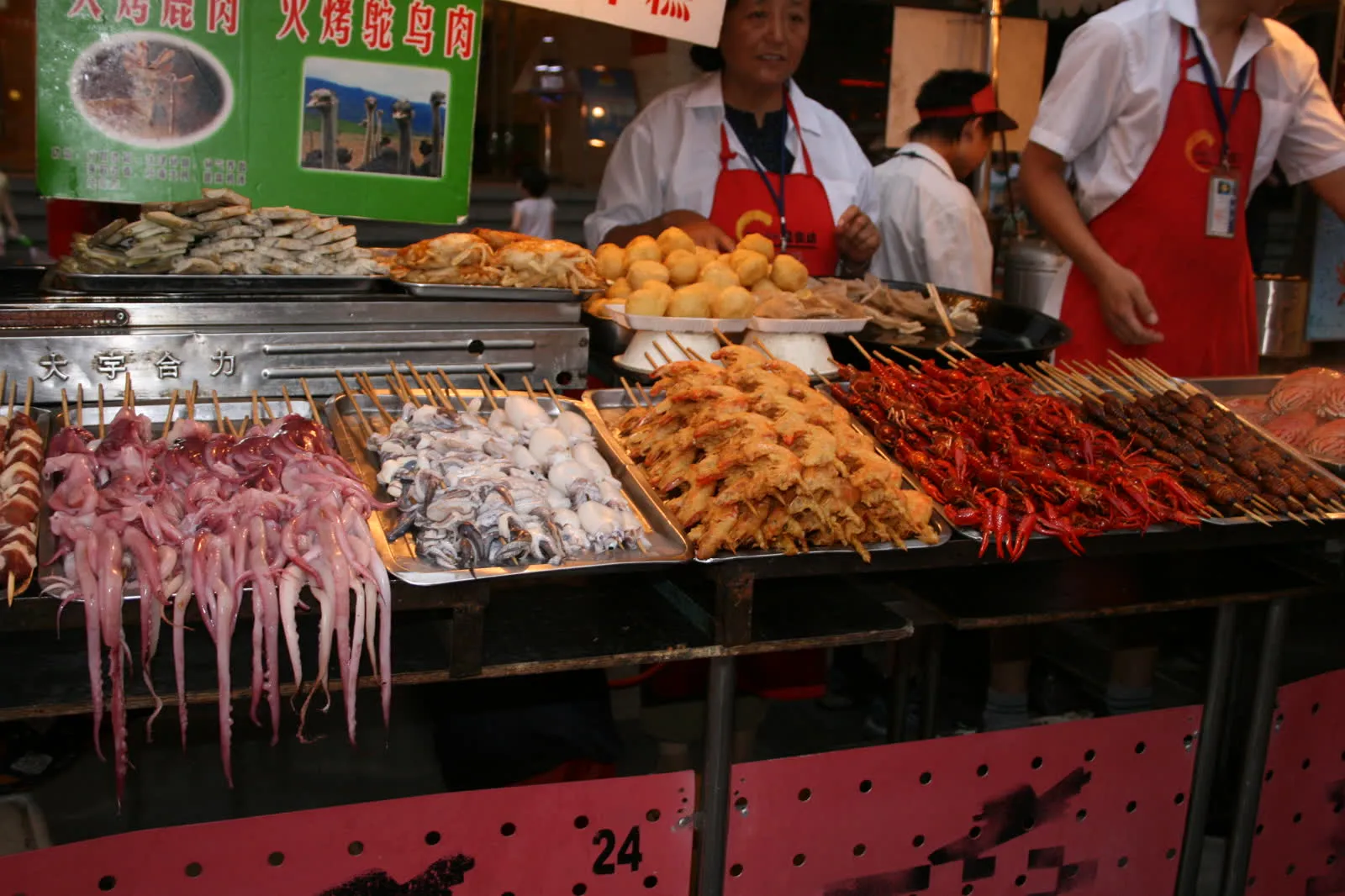
Expect snack counters and market halls more than night carts in this city. Much of what visitors eat “on the street” is eaten under a roof, which makes the hygiene question simpler than the phrase suggests. Plan your evening around a hotpot restaurant or a duck house, and treat the street snacks as daytime fillers between the proper meals.
Fast answers
- With two hours to spare near the Forbidden City, take a number at the Siji Minfu branch early, or walk to a nearby noodle shop for zhajiangmian.
- For one evening of the local ritual, order copper-pot mutton hotpot with sesame dipping sauce, vegetables first.
- If you are feeling adventurous, try luzhu huoshao at lunch, then douzhi and jiaoquan to see what the argument is about.
- On a rainy day with no plan, Sanlitun and Gongti have the widest spread of restaurants and the least chance of a closed kitchen.
The short version
Book one duck restaurant and arrive early for the number. Eat zhajiangmian at a plain noodle shop and copper-pot hotpot once in cold weather. Order by QR code through WeChat or Alipay with an international card linked, keep a translation app offline on your phone, and skip anything unrefrigerated in summer. For the rest of your planning, start with the China travel essentials, our Beijing destination hub, and the FAQ library.
Frequently Asked Questions
Frequently Asked Questions
Do I need to book a Peking duck restaurant in Beijing?
For the famous ones, yes. Siji Minfu's Forbidden City branch and the other well-known duck rooms fill up fast, and waits of one to three hours are widely reported at peak times. The reliable approach is to arrive early and take a table number before the lunch queue forms, or book ahead where the restaurant accepts bookings.
Can I eat in Beijing without speaking Chinese?
Usually, yes. Most sit-down places take orders through a QR code that opens a menu on your phone, and tourist-facing restaurants around the main areas often carry an English menu. Where neither exists, a translation app plus a photo of the dish you want is enough to get fed.
Is Beijing street food safe?
Food cooked in front of you and served hot from a busy stall is generally fine, and a line of locals is a good sign of turnover. The real risks are items left sitting out at room temperature in summer, unpeeled raw fruit, and tap water. Stick to hot, freshly cooked food and sealed drinks.
What should a first-timer eat first in Beijing?
Start with zhajiangmian, the noodle dish locals eat day to day, then make Peking duck the set-piece meal. Save douzhi, the fermented mung-bean drink, for when you feel settled: it is sour and savoury, and plenty of visitors put it down after one sip.
Do Beijing restaurants take foreign credit cards?
Not reliably at the small end. Beijing runs on WeChat Pay and Alipay, and both let you link an international card and pay by QR code. Link your card before you arrive; small restaurants and snack counters rarely have a card terminal.
What is douzhi and is it worth trying?
Douzhi is a drink fermented from mung-bean residue, sour and savoury, traditionally paired with jiaoquan, a crisp fried dough ring. Reactions split hard: some visitors acquire the taste, many do not. Order one glass between two people and find out cheaply.
You might also find useful
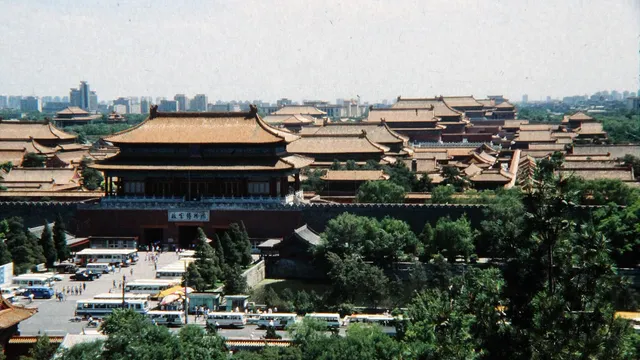
How to Buy Forbidden City Tickets as a Foreigner in 2026 (Passport Booking Guide)
Forbidden City tickets cost ¥60 (Apr–Oct) or ¥40 (Nov–Mar) and go on sale exactly 7 days ahead at 20:00 Beijing time. Here is how foreign visitors book with a passport, what happens when tickets sell out, and the refund rules most guides get wrong.

Beijing Attraction Reservations 2026: Which Sites Need Booking and How (Foreigner Guide)
Beijing attraction reservations: which sights still need booking, when tickets are released, the official channels, and whether a foreign passport is enough.

Mutianyu Great Wall: How to Get There, Ticket Prices and Cable Car Routes
Mutianyu admission is ¥45 for the postcard ticket or ¥40 for the plain e-ticket, plus ¥15 for the shuttle and ¥100/¥140 for a one-way or return cable car. This guide covers the MuBus coach from Dongzhimen, passport booking, the cable car versus the toboggan, and the crowd pattern around Chinese holidays.